
Planning for Successful Commercial Asphalt Paving in Bedford
If you own or manage a commercial property in Bedford, IL, a well-paved surface is more than just an aesthetic improvement—it’s an investment in safety, durability, and value. Knowing what to expect from a commercial asphalt paving project in Bedford can help you make informed decisions, avoid surprises, and ensure the job gets done right.
Commercial paving involves multiple stages, from planning and evaluation to installation and long-term maintenance. Unlike residential projects, commercial asphalt paving Bedford services require greater load-bearing capacity, ADA compliance, and proper traffic flow design. Whether you’re adding a new parking lot, upgrading a commercial driveway, or resurfacing a private road, hiring a trusted contractor is key.
If you’re currently comparing asphalt companies near me, All Ways Paving brings over 50 years of experience in residential and commercial projects, offering quality work and dependable results across Bedford and Westchester County.
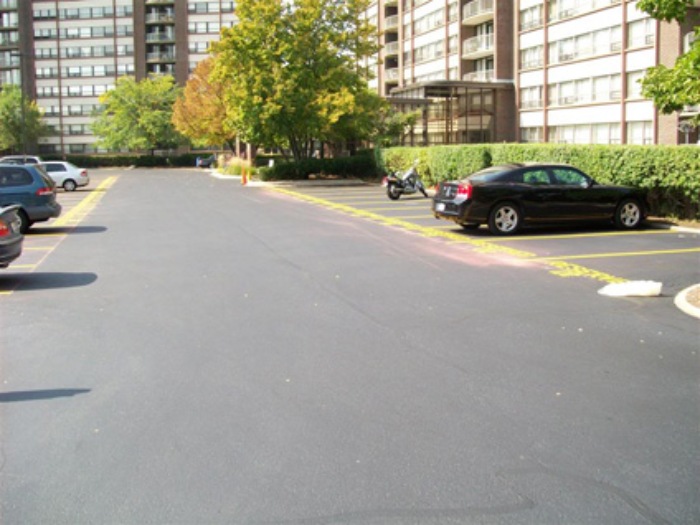
What Is the Difference Between Residential and Commercial Asphalt?
While both residential and commercial asphalt paving involve similar materials and equipment, the scale, complexity, and intended use differ significantly. Residential asphalt is typically used for driveways and sidewalks, requiring less thickness and load capacity. In contrast, commercial paving is designed for higher traffic and larger vehicles, such as delivery trucks, buses, and employee traffic.
Commercial projects also require:
- Stronger base materials
- Thicker asphalt layers
- Stormwater drainage systems
- Line striping and signage for ADA compliance
- Permitting and zoning approvals
Working with an experienced asphalt paving company in Bedford ensures your commercial paving needs are addressed efficiently, safely, and up to code.
Step 1: Site Evaluation and Pre-Project Planning
Every project begins with a comprehensive consultation. Your paving contractor will visit the site to assess the existing surface, soil conditions, and drainage needs. For properties with old or damaged pavement, contractors may recommend full-depth removal or patching before new layers are added.
This phase also includes:
- Discussing usage: Will the space serve cars, trucks, or both?
- Reviewing traffic flow and ADA compliance
- Providing a free quote and timeline
- Addressing zoning permits or environmental concerns
This planning phase ensures that paving solutions are tailored to your specific project needs and the final product is functional, attractive, and long-lasting.
Step 2: Clearing and Preparing the Site
Once the plan is approved, the job begins with clearing debris, vegetation, or old asphalt. If you’re installing a new parking lot, excavation will help create a proper slope for stormwater runoff and long-term durability.
Grading and sub-base installation follow. A commercial paving company will use state-of-the-art equipment to spread and compact the base layer—usually crushed stone or gravel. This step prevents uneven surfaces, soft spots, and future potholes.
Proper drainage is critical. Without it, water can pool and shorten the life of your asphalt surface. Contractors ensure your commercial property is graded for optimal flow away from structures and entrances.
Step 3: Laying and Compacting the Asphalt
The next step in the paving job is installing the asphalt layers. Commercial paving typically involves multiple lifts (layers) of hot mix asphalt to achieve the right strength and durability. Each lift is spread, leveled, and compacted using rollers to eliminate air pockets and weak spots.
The thickness of asphalt will vary depending on your paving needs. Heavier traffic areas like loading docks may require up to 6 inches of asphalt, while lighter-use lots may need only 4 inches. The paving team uses equipment to ensure even compaction and a clean finish.
High-quality asphalt provides not only structural integrity but also improves curb appeal and adds a professional look to your commercial property.
Step 4: Curing and Finishing Touches
Although asphalt appears dry within a few hours, full curing takes several days. During this time, the surface continues to harden, gaining strength and resistance to wear.
Once curing is underway, finishing touches are applied, including:
- Striping for parking stalls, arrows, and ADA markings
- Installing concrete curbs or wheel stops
- Temporary signage to restrict traffic until curing is complete
These features improve the functionality and safety of your space, ensuring compliance with Americans with Disabilities Act regulations and local codes.
Optional Step: Sealcoating
Sealcoating is a protective layer applied months after installation. While not part of the initial paving, it plays a crucial role in extending the life of your asphalt by shielding it from moisture, UV rays, and oil spills. Sealcoating services can help protect your pavement and keep it looking new for years.
Post-Paving Maintenance and Care
What you do after the paving is just as important as the paving itself. Routine care keeps your surface safe and attractive for customers, employees, and tenants.
Tips for long-term success include:
- Repair small cracks quickly before they become potholes
- Avoid heavy vehicle parking on fresh asphalt during the first few days
- Keep the surface clean from chemicals, oil, and debris
- Schedule inspections with your paving contractor every 1–2 years
- Plan for resealing every 2–4 years to extend the life of your asphalt
Asphalt maintenance is key to protecting your investment and maximizing the lifespan of your new parking lot or commercial surface.
How Much Does Commercial Asphalt Cost?
The cost of commercial asphalt paving varies based on size, prep work, thickness, and materials. In Bedford, most commercial paving projects start at around $2.50 to $5.50 per square foot. Complex jobs requiring deep excavation, drainage correction, or ADA-compliant features may be higher.
Getting a detailed, accurate quote from a reputable Bedford paving company is the best way to determine your budget. All Ways Paving offers free quotes and competitive pricing for all commercial and residential services.
Is Asphalt Paving a Hard Job?
Yes, asphalt paving is physically demanding and requires skill, coordination, and attention to detail. A commercial paving project involves managing crews, operating heavy machinery, and ensuring compliance with codes and quality standards. It takes an experienced team of professionals to deliver high-quality results on time and on budget.
How Much Do Asphalt Paving Project Managers Make?
In Illinois, asphalt paving project managers typically earn between $60,000 and $95,000 annually, depending on experience, project size, and company location. In areas like Bedford and Westchester County, demand for skilled managers is high due to growing infrastructure and commercial development.
Conclusion: Choose the Right Partner for Paving in Bedford
Understanding what to expect from a commercial asphalt paving project in Bedford helps you avoid delays, control costs, and ensure long-term success. From site evaluation and grading to asphalt installation and maintenance, every project benefits from expert planning and execution.
If you’re looking for asphalt paving services for your business, retail center, industrial lot, or HOA, trust a Bedford paving company with a proven reputation.
Call All Ways Paving today at (847) 964-3977 to schedule a consultation or request your free quote. Our experienced asphalt team is fully licensed and committed to providing cost-effective, durable paving solutions for every commercial property.